Biophilic design has become increasingly recognised as a solution to the growing need for human-nature connectedness within the built environment. The incorporation of natural elements and biophilia within built spaces is known to have wondrous effects on our health and promote well-being and productivity, as well as providing a wide range of environmental benefits.
Architectural structures have mimicked natural forms for thousands of years, however new design is demonstrating unique approaches to incorporating nature inspired elements into urban buildings. As our cities become more crowded, the need for accessible green spaces increases. Consequently, it’s crucial to develop new forms of landscapes that can be utilised year-round.
The inclusion of natural materials is perhaps the simplest way to seamlessly blend natural features into modern design. The use of different textures and a range of organic materials imitates the rich variety of forms we see in nature. For example, stones, woods and clays add a natural depth and when integrated well, complement modern design perfectly.
Similarly, many new structures in London have embraced innovative ways of thoughtfully weaving nature into the built environment. Dedicated garden rooms within urban residential and office buildings are appearing across the city and present exciting new opportunities from an ecological perspective.
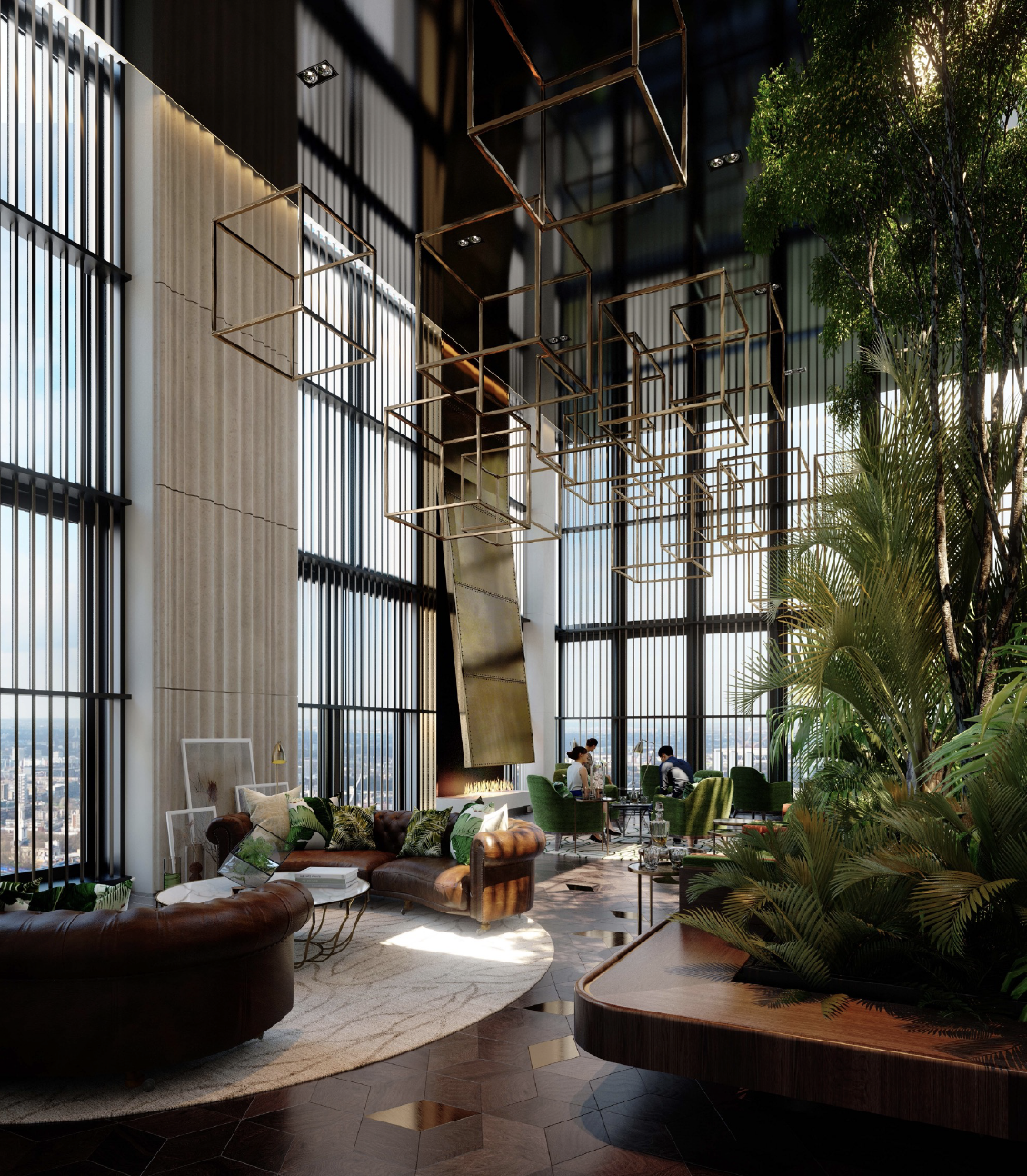
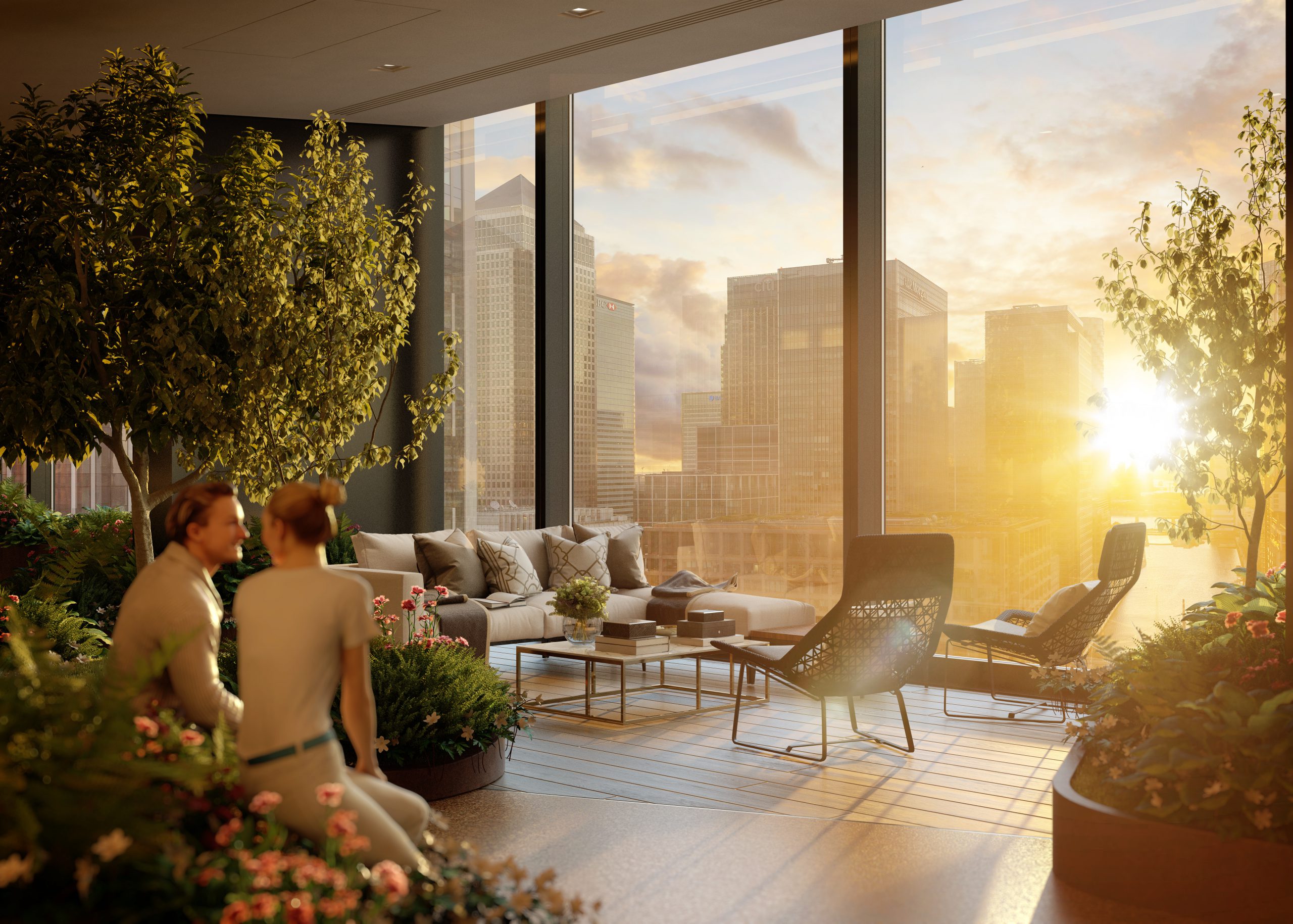
Landmark Pinnacle in Canary Wharf is the tallest residential building in the UK and in addition to having an open air rooftop on the 76th floor, it features a unique indoor tropical garden across its 27th floor. This highly biodiverse ecosystem which is automatically regulated by computer-based control systems, is densely planted and offers a jungle-like feel in the sky. The innovative space is a prime example of embracing biophilic principles into architecture to provide a calming area for relaxation and wellbeing, with stunning views across the city too. The indoor garden is used by residents in a wide range of ways and offers a space for meeting friends, work and relaxing, all which help to foster a strong sense of community within the new development.
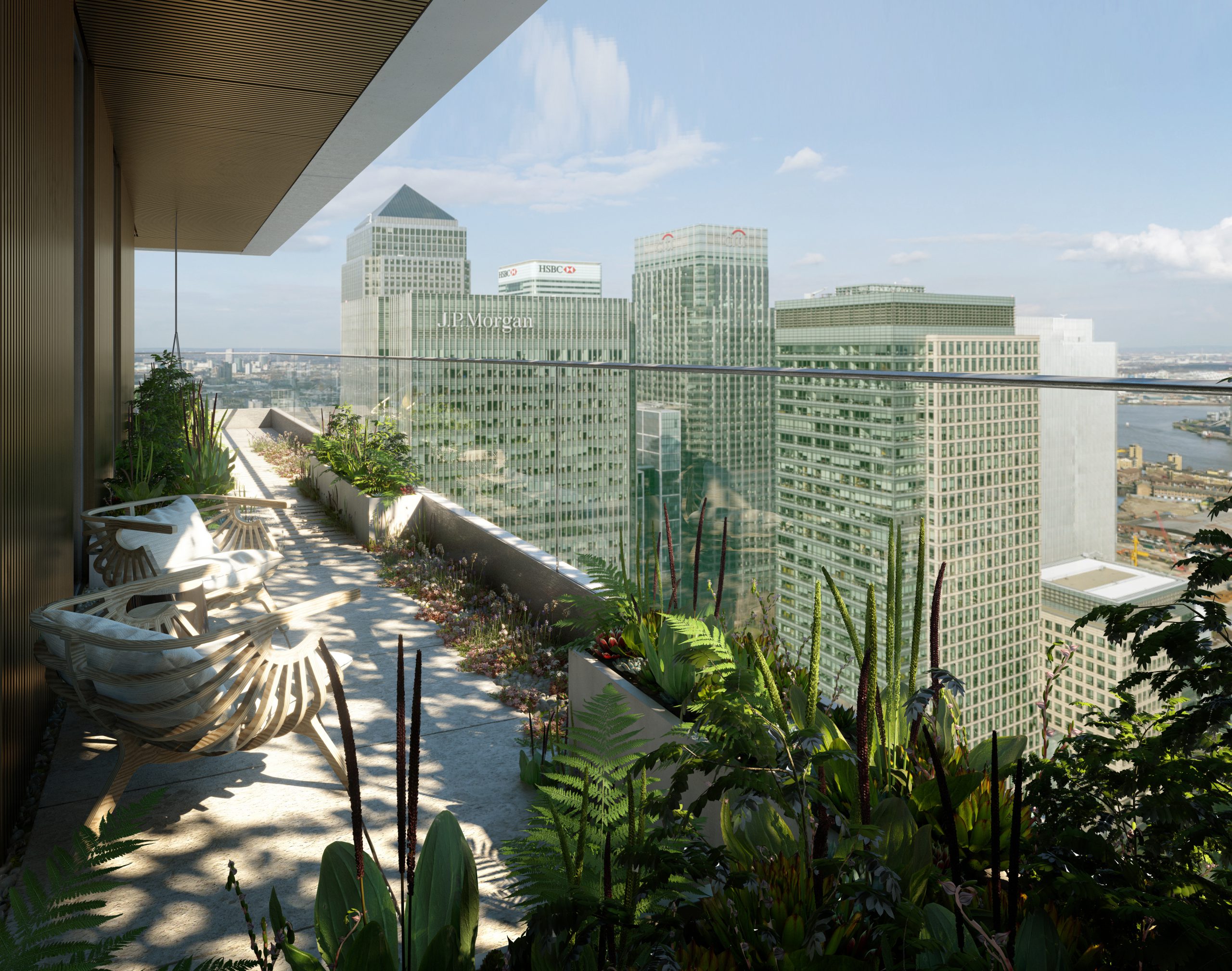
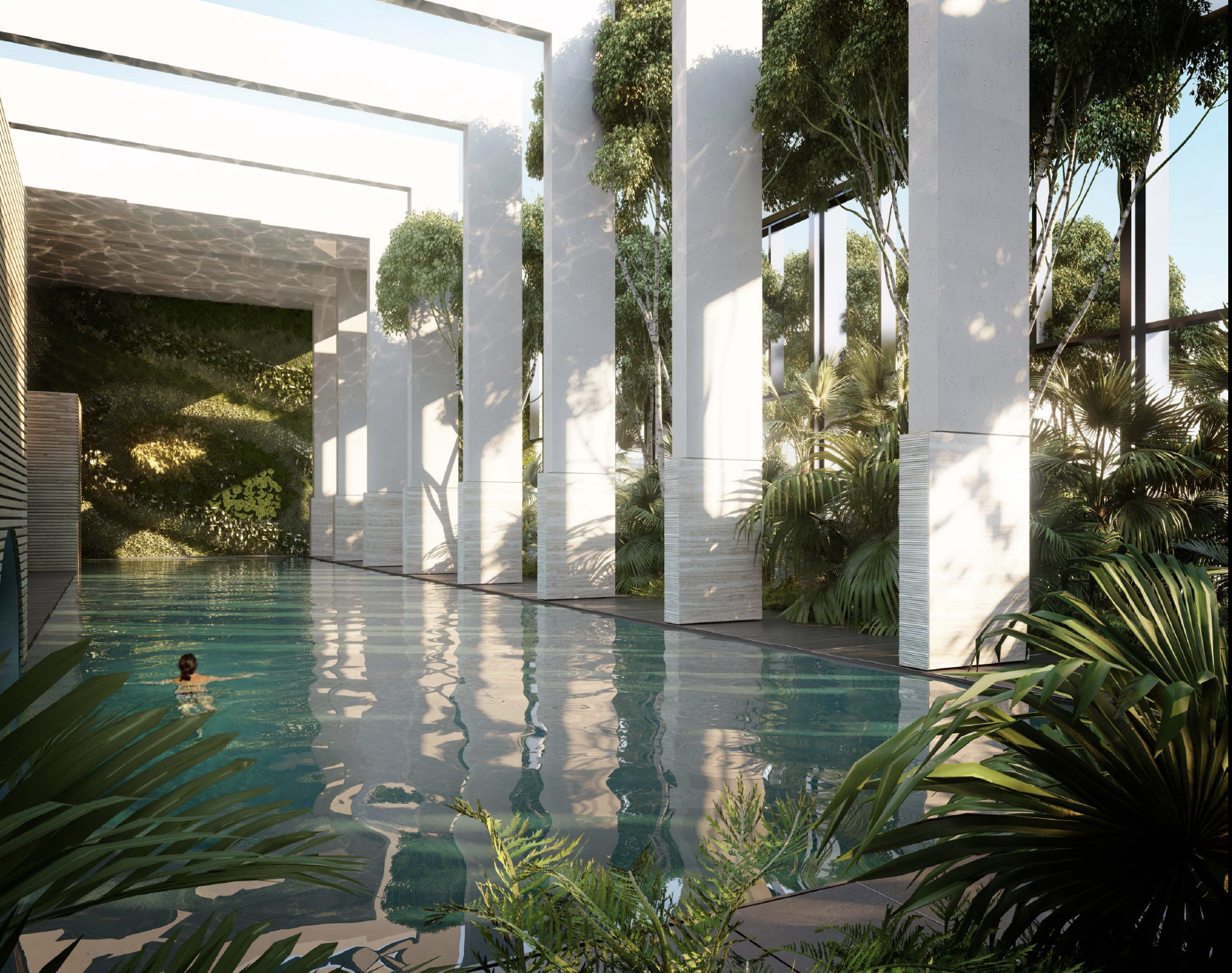
A new residential scheme in London by EcoWorld Ballymore, The Wardian, has also prioritised a botanically focused design. Private gardens, green terraces and communal green spaces throughout the building contrast with its clean, modernist architecture and provide a blissful sanctuary from city life.
There are now over 700 green roofs in central London which will be having a positive effect on the local environment, such as improving biodiversity, reducing air pollution and cooling the city. While these are hugely important outcomes of new green roofs, perhaps the most critical is the positive human impact that these green spaces allow.
The blending of natural elements and modern architecture allows those living in the city to reconnect with the great outdoors in an innovative, yet convenient way and encourages human-nature connectedness that urban dwellers often seek.
It’s inspiring to see biophilic design become increasingly popular in London design. We hope to see more new developments including nature-oriented spaces which influence healthier and happier lifestyles for residents.